Why Is My Outlet Hot to the Touch?
If you touch an outlet or plug and it feels warm—or worse, hot—take it seriously. A little warmth can happen with some high-draw devices, but heat is almost always a sign of resistance (poor contact, overload, or a failing device). This guide explains what’s normal vs. dangerous and what to do next—no DIY wiring. If your breaker won’t reset after shutting off due to overheating, see why your breaker won’t reset for safe next steps.
With over 35 years as a journeyman electrician, I’ve seen outlet overheating caused by everything from loose backstab connections and worn receptacles to overloaded heater circuits. In many cases, what starts as “just a warm outlet” turns out to be a connection problem that could have become much more serious if ignored.
An outlet should never be hot to the touch. Slight warmth can happen with high-draw devices, but noticeable heat usually means a loose connection, worn outlet, or overloaded circuit—and should be checked promptly.
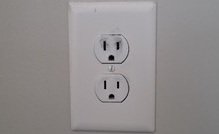
Subtle discoloration around receptacle slots can be an early warning sign of heat stress from loose or worn connections.
- Burning smell, scorch marks, discoloration, or melted plastic
- Crackling/buzzing sounds from the outlet or wall
- The outlet faceplate or plug is hot to the touch (not just slightly warm)
- Flickering lights, breaker trips, or power cutting in/out when something is plugged in
Why an Outlet Gets Hot
Outlets get hot when electricity meets resistance—most often from a loose connection, a worn outlet, an overloaded circuit, or a damaged plug/cord. Slight warmth during heavy use can happen, but early warning signs can include subtle discoloration around the slot openings, a loose plug fit, or heat that lingers after the device is unplugged. An outlet should never be hot, smell “electrical,” show melting, or have obvious scorching.
Warm vs. hot: what’s normal?
Can be normal (with heavy load)
- Slight warmth while a high-draw device runs (heater, hair dryer, vacuum)
- No odor, discoloration, noise, or loose plug fit
- Warmth fades after the device is unplugged
Not normal (treat as a warning)
- Hot to the touch
- Any burning smell, buzzing, crackling, or flickering
- Warm with nothing running
- Loose plug fit or repeated issues
If you’re mainly dealing with mild warmth and want to know what’s normal vs. not, see is it normal for an outlet to feel warm?
Most Common Causes of a Hot Outlet
- Loose connections: Resistance at a loose connection creates heat and can lead to arcing.
- Worn outlet (poor grip): Loose plug fit increases resistance and arcing risk.
- Overloaded circuit: Too many devices on one circuit can overheat outlets and wiring.
- High-draw devices on weak receptacles: Heaters and hair tools reveal weak connections fast.
- Backwired/backstab connections: Some older installations loosen over time under load.
- Damaged plug/cord: Heat can originate at the plug or cord (not just the receptacle).
- Adapter/power strip issues: Cheap adapters, worn strips, or loose contacts can run hot.
Safe homeowner checks (no wiring)
- Unplug the device (if it’s safe). Don’t keep “testing” by plugging it back in.
- Feel the plug (carefully): If the plug is hot, stop using that device and cord.
- Check plug fit: If the plug feels loose or wiggles easily, that’s a safety issue.
- Try a different outlet on a different circuit for the device (only if everything is cool and normal—no smell, no discoloration).
- If the outlet is warm/hot with nothing running, treat it as a red flag and schedule service.
When it’s especially risky
- Outlets used for space heaters, portable AC, kitchen appliances, or shop tools
- Any outlet with discoloration, cracks, a loose fit, or intermittent power
- Outlets tied to “half the room is dead” symptoms (see the related article below)
- Heat plus breaker trips or flicker (often points to overload or poor connections)
If heat shows up along with flicker or dimming, that often points to connection or load issues—see why your lights are flickering (and when it’s dangerous).
If multiple devices are running on the same circuit, see our guide on why your breaker keeps tripping to understand how overloads and faults are related.
When the Outlet Should Be Replaced
If an outlet is hot repeatedly, has a loose plug fit, shows discoloration, or feels worn, replacement is often the safest solution. In many homes, the visible outlet is only part of the problem—the real issue may be a loose or damaged connection behind it.
- Plugs no longer fit snugly
- Discoloration, cracking, or heat damage is visible
- The outlet feels hot under normal use
- Sparking, buzzing, or intermittent power occurs
- The receptacle is older and heavily used
A licensed electrician can determine whether the problem is the outlet itself, the wiring connection, or a larger circuit issue.
Can a Hot Outlet Cause a House Fire?
Yes. A hot outlet can become a fire hazard if the underlying problem is not corrected. Most outlet overheating is caused by loose electrical connections, worn receptacles, overloaded circuits, or damaged wiring. These conditions create electrical resistance, which generates heat. If the heat continues to build, it can damage insulation, melt plastic components, and in some cases lead to electrical arcing or ignition.
The good news is that many overheating outlets are discovered before a fire occurs. If you notice excessive heat, a burning odor, discoloration, buzzing, or repeated breaker trips, stop using the outlet and have it evaluated promptly by a licensed electrician.
If the outlet feels loose, worn, or repeatedly warm, the safest move is to stop using it and have it evaluated. For homeowners, a few basic tools can help confirm symptoms and reduce guesswork before the electrician arrives.
Recommended Tools for Homeowners
These homeowner-friendly tools can help you confirm symptoms, identify high-draw devices, and replace weak accessories like worn power strips. They do not replace professional diagnosis when outlet heat may be coming from a loose electrical connection behind the receptacle.
Best for quick homeowner checks:
Outlet Tester (with GFCI test)
Best for homeowners who want a quick way to check common outlet wiring issues and verify whether a GFCI outlet responds properly to testing.
View outlet testersPlug-In Energy Monitor
Best for checking whether a space heater, portable AC, or other high-draw device may be placing too much demand on a weak outlet or overloaded circuit.
View energy monitorsHeavy-Duty Surge Protector (UL listed)
Best for replacing cheap adapters or worn power strips with a safer, tighter-fitting option that includes overload protection.
View surge protectorsNon-Contact Voltage Tester (basic safety tool)
Best for basic safety checks around cords, plugs, and outlets when you want to confirm power is present before taking the next step.
View non-contact testersA warm outlet during heavy use isn't always unusual, but an outlet that becomes hot, smells like burning, buzzes, sparks, or repeatedly overheats should never be ignored. Most outlet heat problems are caused by loose connections, worn receptacles, or overloaded circuits—and they tend to worsen over time rather than improve.
If your breaker also keeps tripping, read Why Your Breaker Keeps Tripping. If lights flicker when using the outlet, see Why Your Lights Are Flickering. If multiple outlets stop working, read Why Half the Outlets in One Room Are Not Working.
How Much Does It Cost to Fix a Hot Outlet?
Costs depend on what’s causing the heat. In many homes, the issue is simply a worn receptacle or a loose connection — both relatively straightforward repairs for a licensed electrician.
- Replace a standard outlet: $125–$250 (including labor in most areas)
- Repair a loose connection in the box: $150–$350 depending on access
- Replace a GFCI outlet: $175–$400
- Circuit overload correction or wiring repair: Varies based on complexity
These are typical U.S. residential price ranges and can vary depending on your location, accessibility, and the extent of the damage.
If overheating is caught early, the repair is usually minor. Waiting can lead to damaged wiring, breaker issues, or larger repairs — which is why heat problems should be evaluated promptly.
In many service calls, the outlet itself isn’t the real problem — it’s the connection behind it. Addressing it early is often the least expensive outcome.
How to Prevent Outlet Overheating in the Future
Most outlet heat issues are preventable. The key is reducing resistance and avoiding overload conditions before they develop into damage.
- Replace worn outlets: If plugs feel loose or slide out easily, the receptacle has likely lost tension and should be replaced.
- Avoid high-draw devices on weak circuits: Space heaters, hair tools, and portable AC units should be used on properly rated, dedicated circuits whenever possible.
- Don’t use cheap adapters or worn power strips: Poor contact points increase resistance and heat.
- Pay attention to warmth patterns: If an outlet repeatedly feels warm under normal use, have it evaluated before it escalates.
- Upgrade older backstabbed connections: In older homes, outlets wired using push-in/backstab connections may loosen over time under load.
Most serious electrical problems start small. A warm outlet today can become a damaged connection tomorrow. Preventive attention is almost always simpler than emergency repair.
When to Call an Electrician
While some basic checks are safe for homeowners, outlet heat is often a sign of a deeper electrical issue that requires professional evaluation.
- The outlet feels hot, not just warm
- You notice burning smells, discoloration, or melting
- The outlet has a loose fit or intermittent power
- The breaker trips repeatedly when using the outlet
- The issue keeps coming back
In many cases, the problem is not just the outlet itself but the wiring connection behind it. A licensed electrician can safely diagnose and correct the issue before it becomes more serious.
If the outlet also shows signs like sparking when plugging something in, see our guide on why outlets spark and when it’s dangerous.
FAQ
Is it ever normal for an outlet to feel warm?
Slight warmth can happen with high-draw devices during use. An outlet should never be hot, and warmth with nothing running is a warning sign.
What is the most common cause of a hot outlet?
Loose or failing connections are a top cause. Resistance creates heat, and heat can lead to arcing and damage—this should be evaluated by a licensed electrician.
What should I do immediately if an outlet is hot?
Stop using the outlet. Unplug the device if it’s safe, and avoid reusing it until it’s inspected. If you smell burning, see discoloration, or hear buzzing/crackling, call a licensed electrician promptly.
Can a loose plug fit cause heat or sparking?
Yes. A worn outlet can lose grip, which increases resistance and arcing risk. A loose plug fit is a safety issue and should be corrected.
Can I still use an outlet if it only feels a little warm?
It depends. Slight warmth while a high-power appliance is running can be normal. However, if the outlet becomes noticeably hot, stays warm after the appliance is unplugged, or shows signs such as discoloration, buzzing, or a burning smell, stop using it and have it inspected by a licensed electrician.
Should I reset a breaker if an outlet is hot?
A hot outlet plus tripping is a warning sign. Don’t repeatedly reset. Stop using the circuit and have it evaluated.
BrightHome Advisor provides homeowner education only. This article does not provide wiring instructions. If you suspect an electrical hazard, contact a licensed electrician.
BrightHome Advisor is a participant in the Amazon Services LLC Associates Program, an affiliate advertising program designed to provide a means for sites to earn advertising fees by advertising and linking to Amazon.com.
Related Articles
Why Your Outlets Spark When You Plug Something In
What’s normal vs. dangerous sparking, and when a loose connection may be involved.
Read the guideWhy Your Breaker Keeps Tripping (And What It Usually Means)
Overload vs. short vs. ground fault—how to tell when it’s urgent.
Read the guideWhy Your Breaker Won’t Reset (And What to Do Next)
What it means when a breaker won’t latch—and why repeated resets are risky.
Read the guideHalf the Outlets in a Room Don’t Work
Common causes like tripped GFCIs, loose connections, and hidden wiring issues.
Read the guideWhy Your GFCI Keeps Tripping (And What It’s Trying to Tell You)
Moisture, faulty appliances, aging GFCIs, and when replacement is needed.
Read the guideWhy Your Lights Are Flickering (And When It’s Dangerous)
Loose connections can show up as flicker—learn the warning signs.
Read the guideWhy Your Lights Dim When an Appliance Turns On (And When It’s Dangerous)
Voltage drop vs. loose connections—how to tell which is more likely.
Read the guideIs It Normal for an Outlet to Feel Warm?
When mild warmth can be normal, early warning signs to watch for, and when to call an electrician.
Read the guide10 Electrical Warning Signs You Should Never Ignore
A fast checklist of red flags that signal “call an electrician.”
Read the warning signs guide